April 11, 2026 • Cara Whitfield • 9 min reading time • Prices verified June 4, 2026
Complete Shower Faucet Systems: What You Actually Need to Buy for a Full Master-Bath Upgrade
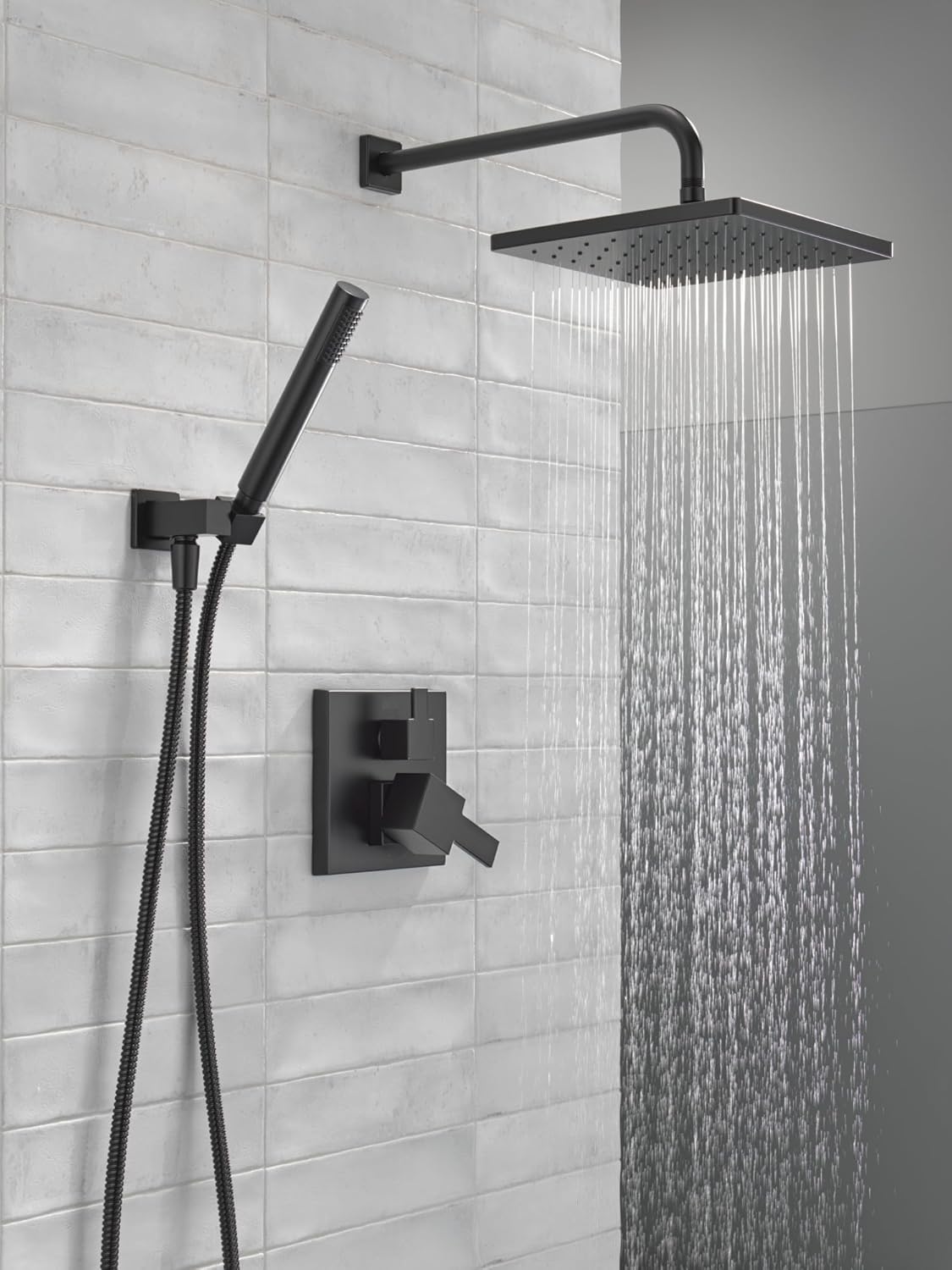
If you’ve ever ordered a “shower faucet” online and then discovered mid-renovation that it only included the handle — not the valve buried inside the wall, not the showerhead, and definitely not the hand shower your designer assumed would be there — you’ve already learned the most expensive lesson in bathroom renovation. A complete shower faucet system is actually a collection of components that have to work together: the valve (the mechanical part installed inside your wall that controls water flow and temperature), the trim kit (the visible handle, plate, and sometimes a diverter that lets you switch water between outlets), the showerhead itself, and any add-ons like a hand shower or slide bar. Buying them piecemeal from different brands — or assuming a pretty faucet set comes with everything — is the single biggest mistake intermediate renovators make. This guide walks you through every layer of the decision, names the tradeoffs honestly, and ends with clear “if X, then Y” rules so you leave knowing exactly what to purchase.
The Four-Component System: What’s Actually in the Box
Understanding the stack before you budget prevents the classic “I need to go back to the store three more times” renovation spiral.
1. The Rough-In Valve (The Part You’ll Never See Again)
The rough-in valve is the heart of the system, installed inside your wall during the framing or tile-backerboard stage — before the tile goes on. Once it’s mudded in, it’s effectively permanent for the life of your home. This is exactly why valve selection deserves more weight than almost any other decision in the project.
There are two dominant valve architectures in the $150–$400+ tier:
Pressure-balancing valves maintain a consistent ratio of hot to cold water even when someone flushes a toilet on the same water line. They are code-required for showers in most U.S. jurisdictions under ASSE 1016 standards (confirmed by Family Handyman’s overview of shower valve regulations). They do not, however, let you set a precise temperature and walk away — every turn of the handle is a manual balance of hot and cold.
Thermostatic valves let you dial in an exact temperature (say, 104°F) that the valve holds automatically, regardless of household pressure fluctuations. They are the standard in European luxury bathrooms and in commercial spa applications. They cost more — typically $300–$700 for the valve body alone before trim — and they make the most sense when you’re running multiple outlets (overhead rain head + hand shower + body sprays) from a single control point. Hansgrohe’s iBox Universal and Grohe’s Rapido T are the two valves architectural digest reviewers name most often in high-spec master-bath contexts.
The decision rule: If your system is one showerhead plus an optional hand shower, a high-quality pressure-balancing valve (Kohler Rite-Temp, Moen Posi-Temp, Delta MultiChoice) does the job beautifully at $80–$180 for the valve rough-in. If you’re running three or more outlets, or you want true set-and-forget temperature, budget for thermostatic from the start. Retrofitting later means reopening the wall.
2. Trim Kits: Where Brand Loyalty Actually Gets Expensive
The trim kit is the part you see and touch — the handle escutcheon (the decorative plate), any diverter or volume controls, and the interface to your valve. Here is the tricky part: trim kits are almost always brand- and series-specific. A Hansgrohe ShowerSelect trim will not fit a Delta MultiChoice rough-in. Full stop.
This creates a practical buying order: choose your valve platform first, then select trim within that ecosystem. The good news is that all four major brands — Hansgrohe, Grohe, Kohler, and Delta — designed their valve platforms to accept multiple generations of trim, which means you can upgrade a handle or change a finish years later without touching the wall.
Finish selection also locks you in more than people expect. Brushed nickel, matte black, and polished chrome are universally stocked. Owners who specify Hansgrohe’s Brushed Bronze or Grohe’s Brushed Hard Graphite consistently report longer lead times (often 4–8 weeks) and limited retailer stock in 2025–2026 — a pattern that Bob Vila’s best shower systems roundup and Architectural Digest’s 2025 fixture coverage both document. If your renovation has a hard punch-out date, confirm finish availability before signing off on your tile schedule.
3. The Showerhead: Where Sensory Outcomes Live
The showerhead is the most emotionally legible component in the system — it’s what you feel every morning. It’s also where brand marketing language gets most aggressively opaque, so a quick translation:
- H2Okinetic (Delta): A patented internal channel geometry that creates larger, warmer-feeling water droplets. Owners consistently report it feels higher-pressure than the flow rate suggests — useful context because it genuinely helps deliver a satisfying shower at the EPA WaterSense-certified 1.8 GPM threshold.
- PowderRain (Hansgrohe): Fine, aerated droplets that feel soft and enveloping — closer to a rain mist than a massage. Reviewers at Architectural Digest call it the most “spa-like” of the mainstream spray modes, though owners with chronic muscle tension often prefer pairing it with a second, targeted spray mode.
- SmartActive (Grohe): A turbine-driven spray mechanism that amplifies pressure sensation without increasing flow rate. Family Handyman’s fixture guides describe it as producing a noticeably stronger jet than comparable GPM competitors.
- Katalyst (Kohler): An air-induction technology that infuses air into each droplet, creating a full-body sensation at lower water volumes. Kohler’s own published specs for the Artifacts series claim a 30% larger spray coverage area compared to standard heads.
By the numbers:
- WaterSense maximum: 1.8 GPM (gallons per minute) for certified showerheads
- California/Colorado residential maximum: 1.8 GPM (federal standard matches strictest state rules as of 2026)
- Typical “builder-grade” showerhead: 2.0–2.5 GPM (non-compliant in many states)
- High-end rain head diameter range: 8 inches (Moen) → 16 inches (Grohe Rainshower 400 series)
The ceiling-mount rain head vs. wall-mount question is worth a moment: ceiling rain heads require either a ceiling rough-in (planned during framing) or an arm extension from your existing wall supply, which affects both aesthetics and water pressure delivery. Owners running a 12”+ rain head on a standard 1/2” supply line without a dedicated pressure-balance system sometimes report reduced flow — a tradeoff worth discussing with your plumber before tile is set.
4. Hand Showers and Slide Bars: The Underrated Upgrade
A hand shower — the detachable head on a hose that you can aim — is the component with the highest quality-of-life return per dollar in a master-bath upgrade. It handles rinsing, pet bathing, targeted hydrotherapy for lower back or knee recovery, and accessibility use cases that a fixed overhead head simply cannot. Per This Old House’s shower installation guides, adding a hand shower to an existing pressure-balancing valve typically requires only a diverter valve trim upgrade, not a wall re-open, if the rough-in supports it.
If you are specifying a hand shower for athletic recovery or post-rehab use, the key spec is hose length (60 inches is standard; 72 inches allows floor-level use) and spray mode range. Speakman’s Icon and Grohe’s Vitalio series both publish spray-mode charts that map modes to therapeutic applications — a detail worth requesting from your supplier rather than guessing from a box photo.
The System Compatibility Matrix You Need Before You Buy
Here is the practical decision tree. Match your scenario to the row:
| Scenario | Valve | Trim | Head | Hand Shower |
|---|---|---|---|---|
| Single outlet, pressure-balance | Kohler Rite-Temp or Delta MultiChoice | Match brand | Any WaterSense head | Optional diverter add |
| Dual outlet (rain + hand shower) | Delta MultiChoice 17-Series or Moen Posi-Temp with diverter | Match brand | Rain head + separate hand shower | Slide bar recommended |
| 3+ outlets, thermostatic | Hansgrohe iBox or Grohe Rapido T | Must match brand | Specify by mode | Thermostatic handles volume independently |
| Retrofit (existing rough-in) | Match existing valve brand/series | Replace trim only | Any head with standard 1/2” IPS fitting | Inline diverter on existing arm |
The “retrofit (existing rough-in)” row deserves emphasis: if your existing valve is a MultiChoice or Posi-Temp rough-in in good condition, you can upgrade to a dramatically better shower experience — new trim, new head, new hand shower — without touching the wall. This Old House’s valve replacement guide and Family Handyman’s shower valve explainers both confirm that cross-generational trim compatibility within a brand platform is the rule, not the exception, for the major four brands.
Where Renovators Actually Lose Money
Gray market and parallel-import fixtures. Hansgrohe and Grohe in particular have strong authorized-dealer networks in the U.S. Fixtures purchased through non-authorized resellers (certain third-party marketplace sellers, closeout liquidators) may void the manufacturer warranty — which, for a $400+ valve, is a material risk. Bob Vila’s shower systems coverage notes that Grohe’s limited lifetime warranty is explicitly voided for gray-market purchases. Confirm authorized-dealer status before ordering anything over $200.
Mismatched finishes across components. “Brushed nickel” is not a standardized color — Kohler’s, Hansgrohe’s, and Moen’s versions are visually distinct under bathroom lighting. Architectural Digest’s fixture editors consistently recommend ordering all visible components from the same brand’s same product line when finish matching matters. If you mix brands, order physical finish samples before committing.
Under-specifying the rough-in for future outlets. A two-port thermostatic rough-in costs meaningfully more than a pressure-balance single-port today — but adding a third outlet to a single-port rough-in years later means reopening the wall. If your master-bath plan ever includes body sprays or a secondary ceiling head, rough-in thermostatic now.
The Decision Rules, Plainly Stated
If you have an existing valve rough-in that’s 10 years old or less and in good working order: upgrade trim, head, and hand shower only. You’ll spend $200–$600 and get 80% of the spa experience without a wall demolition.
If you’re in a full renovation with open walls and a $300–$600 valve budget: choose a thermostatic valve if you’re running more than one outlet; choose a pressure-balance valve if you’re keeping it simple. Pick the valve first, then buy trim and head in the same brand ecosystem.
If your primary goal is hydrotherapy or recovery outcomes (lower back, post-workout, tension headaches): prioritize hand shower length and spray mode range over showerhead prestige. A Speakman Anystream Icon on a 72-inch hose does more targeted therapeutic work than a gorgeous fixed rain head.
If finish and aesthetic are the primary driver (which is a completely legitimate priority in a master bath): commit to one brand’s line across every visible component, confirm finish availability and lead time before your tile schedule closes, and budget an extra 4–6 weeks for specialty finishes.
The system is not complicated — it just has more layers than the packaging suggests. Map your scenario to the right valve platform first, and the rest of the decisions follow cleanly.